Asheville, North Carolina Office
535 College St,
Asheville, NC 28801
(828) 251-0800

Social media is designed to be addictive and proven to damage mental health. Our social media addiction lawsuit attorneys will hold negligent social media companies accountable.

Our social media addiction attorneys hold platforms accountable for prioritizing profit over user safety, helping victims—especially young people—seek justice, answers, and meaningful compensation.
The devastating impact of social media addiction runs deeper than we ever thought possible. Social media addiction is a severe issue, hurting an increasing number of people not only in our community but around the globe. In extreme cases, addiction to social networking platforms can cause serious mental health issues, with users experiencing heightened levels of stress, anxiety, and even thoughts of self-harm or suicide.
Unfortunately, many of these victims of social media addiction are children, adolescents, and young adults who are more impressionable and easily manipulated by what they see online with widely unregulated access. Despite being aware of these risks, platforms like Meta, Snapchat, and TikTok continue to prioritize user engagement and profit over the well-being of their most vulnerable users, damaging their self-image and perception of reality and driving them to engage in dangerous behaviors that could cost them their lives.
Your family does not have to suffer in silence. Contact us today to speak with a knowledgeable social media addiction attorney who cares about your recovery and safety.
Many view social media as a way to stay connected, but there is much more than meets the eye. According to Meta whistleblower Frances Haugen's testimony, it is a global threat engineered to cause severe harm to its users. Haugen stated that Facebook favors its own profits over the mental health and safety of its users and deliberately amplifies division, polarization, and extremism in favor of the $1 trillion corporation, altering billions of people’s perception of reality by showing them content with catastrophic consequences on our innermost thoughts, feelings, and behaviors.
Former Meta engineer Arturo Bejar testified to the Senate Judiciary Subcommittee on Privacy, Technology, and the Law, calling on the social networking company to prioritize safety for its users — particularly its younger audience. According to Bejar, 51% of users reported negative experiences every week in October 2021, with only 1% reporting offensive content and 2% succeeding in getting the content taken down. In addition, he noted that children aged 13-15 experienced abuse online, with 21.8% of users in the age group reporting abuse and bullying online every week. 39.4% of them reported negative comparisons, and 24.4% received unwanted advances, painting a sinister picture of the social media landscape for the young, impressionable, and most vulnerable population. Regrettably, these instances of abuse were not adequately addressed, and Meta still perpetuates this harmful culture for youth to this day. With his extensive experience in online safety, he demanded that Meta change how they identify and address bullying, abuse, unwarranted contact, and other misconduct.
Clients trust us to stand up to major social media platforms and fight for families harmed by the addictive and damaging effects of these online environments.


Awesome firm! Chris Connolly took time to listen and review our situation. He was very honest and upfront about the process and potential outcomes. My daughter’s case has some complexities and Chris explained every detail and possibility. Bottom line, he fought for us and won!!! I would rate them 10 stars if possible.

Choosing Grimes Teich Anderson for my SS Disability appeal was the best decision I could have made. Kathy Willets walked me through the entire process and kept me well informed throughout. She was always responsive to my questions and handled everything with kindness and complete professionalism. Highly recommend this group for your disability claims.

Kathy & the team handled my case efficiently, effectively & professionally resulting in a favorable outcome!

I had the chance to speak with Anna Hamrick and Katie Gates, and their professionalism truly stood out. From 2024 to 2026, everything was handled well, with a level of confidence, honesty, and calm presence. They took their time with me, explained everything clearly, and treated me with real care and respect. Their dedication and work ethic are admirable; I’m genuinely grateful for the way they guided me.

Needing an attorney was never something I wanted to need, but I did and thanks to Anna H. and Katie G. it was not so overwhelming. Having to deal with a legal issue and having a trusted attorney is key. I had no idea what to expect during the duration of the time I needed legal representation but Anna and Katie not only keep me well informed but also explained things to me in a way that made sense. If you happen to find yourself in need of legal representation I highly recommend them.

Awesome, would highly recommend.
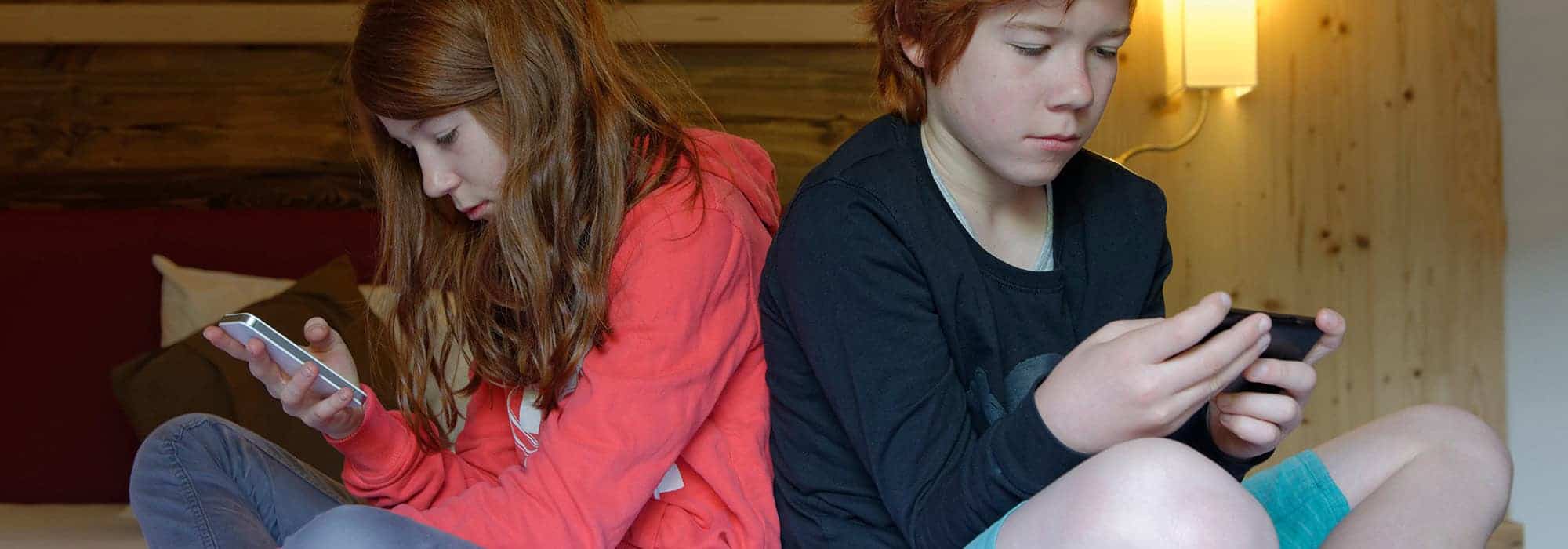
Social media addiction occurs when excessive social media use and dependence cause problems in your personal life, and it can manifest in harmful thoughts, feelings, and behaviors. Addictive use of social media is linked to mental health issues like anxiety and depression. If you think you might have a social media addiction, there are options for professional help and steps you can take on your own to cut back.
Recognizing the signs of social media addiction is crucial for initiating the journey towards recovery. It's essential to acknowledge when social media use transitions from a leisure activity to a problematic behavior that impairs one's ability to lead a fulfilling life.
Seeking professional help is one solution for addressing an addiction to social media. Therapists and counselors trained in addiction psychology can provide tailored interventions to help individuals understand the root causes of their addictions and develop healthier coping strategies.
Additionally, individuals can take steps independently to mitigate the impact of social media addiction. This might involve setting strict boundaries around usage, such as limiting screen time or designating specific "social media-free" periods throughout the day. Engaging in alternative activities that promote offline connections and personal growth, such as hobbies, exercise, or mindfulness practices, can also help reduce reliance on social media as a primary source of fulfillment and prevent the progression of social media addictions.
Ultimately, overcoming social media addiction requires a combination of self-awareness, commitment to change, and access to supportive resources. By proactively addressing problematic usage patterns, individuals can regain control over their digital habits and prioritize their mental health and overall well-being.
Identifying if you're struggling with social media addiction is crucial for taking proactive steps towards recovery. Here are some expanded signs to help you recognize if you're grappling with this issue:
The unsealed evidence also shows that Meta routinely buried or rejected proposed safety upgrades when those improvements threatened engagement metrics. Executives pushed out high-risk features like Facebook Live without meaningful safeguards, despite knowing that teens had used Live to broadcast suicide attempts. Internal staff drew comparisons between Meta’s behavior and that of “Big Tobacco,” noting as early as 2019 that the company prioritized profits over youth safety.
For firms handling these cases, like Grimes Teich Anderson, these findings are crucial for identifying strong, viable claims. Evidence of purposeful concealment increases Meta’s liability exposure and enhances the value of consumer cases. Schools and public entities have also begun filing lawsuits based on this buried research, adding pressure, increasing public transparency, and helping generate broader awareness. Overall, these findings support ongoing nationwide adolescent-addiction litigation and align with large-scale efforts focused on social-media-driven mental-health harms.
While the negative impact of social media can affect anyone, not everyone meets the criteria to pursue legal action in this regard. You may have grounds to file a lawsuit for social media addiction if:
If you believe you meet these criteria or have been adversely affected by addiction to a social media platform, we encourage you to contact us for a complimentary consultation. During this consultation, we will assess your situation, discuss the specific criteria for filing a case, and clarify the legal options available to you and your family.
As someone addicted to social media to the point where it has negatively impacted your mental health, you have certain rights and avenues for recourse:
It's essential to consult with legal professionals and mental health experts to understand your rights and explore the most appropriate solutions for addressing the impacts of social media addiction on your life.

Addiction involves a complex pattern of behaviors characterized by the compulsive pursuit of a substance or activity despite negative consequences on mental and physical health. It typically contains three key components:
Additionally, addiction often involves changes in the brain's reward system, leading to tolerance (needing more of the substance or activity to achieve the same effect) and withdrawal symptoms when the behavior is discontinued. Overall, addiction is a complex and chronic condition that requires comprehensive treatment and support for recovery.
Addressing social media addiction requires a proactive and multi-faceted approach. Firstly, acknowledging the problem and accepting the need for change for your health and well-being is crucial. Setting clear, achievable goals for reducing social media use can provide a roadmap for progress. Establishing boundaries, such as designated times for social media usage and periods of abstention, helps create structure and discipline. Removing social media apps from devices or using blockers can limit access and reduce temptation. Additionally, finding alternative activities to engage in, such as hobbies or spending time with loved ones, helps fill the void left by reduced social media use.
Seeking support from friends, family, or support groups provides encouragement and accountability throughout the recovery journey. Mindfulness helps individuals stay aware of their social media usage habits and identify triggers. Professional help from therapists, counselors, or other mental health professionals specializing in digital addiction can offer personalized strategies and support. Tracking progress and celebrating successes, no matter how small, reinforces positive changes and encourages perseverance. Remembering that recovery from social media dependence takes time and effort, patience, and persistence are essential for long-term success in overcoming social media addiction and fostering a healthier, more balanced life.
At Grimes Teich Anderson, we are committed to ensuring that addictive social networking platforms cannot continue to profit from the harm caused to individuals and their mental health. It's unacceptable for these platforms to prioritize engagement and profits over the well-being of their addicted users. Our firm firmly believes in holding social media giants accountable for the damage they inflict on individuals and families.
Our dedicated team is here to fight for justice and ensure that those harmed by social media addiction receive the compensation and support they deserve. By taking legal action, we aim to send a clear message to these platforms that their actions have consequences and that they must prioritize the safety and well-being of their users above all else.
Contact us today by submitting a form online or calling our office at (800) 533-6845 for a free legal consultation.
*Each case is different, so not all information on this website, as well as some that may not be provided, will apply to every case. Because the facts and relevant laws are different from case to case, Grimes Teich Anderson does not guarantee that the outcome, results, or experiences with one lawyer or one case will be similar to another.
Except for Employment Law Cases, attorneys' fees are a percentage of the entire recovery and will be deducted before other expenses. In addition to the fee in these cases, Client will be responsible for litigation expenses, which will either be deducted from the recovery or paid by the client. Some Employment Law Cases may be handled on a contingency fee basis, and others handled on an hourly basis, where the client is billed for the hours spent on the case. Based on our experience, we will advise you of the most appropriate fee arrangement in Employment Law cases.
Material on this website is for information purposes and is not legal advice.